
Dental Implants vs. Bridges: Which is the Best Tooth Replacement?
The Gap in Your Smile
Losing a tooth, whether due to severe decay, an accident, or aging, impacts more than just your appearance. It affects how you chew, how you speak, and over time, it can cause your remaining teeth to shift out of alignment. If you are missing a tooth, you have two primary options for a permanent, non-removable replacement: a traditional dental bridge or a modern dental implant.
As a specialist holding a Diploma in Dental Implantology (UK), I frequently consult with patients in DHA Phase 5 who are unsure which option is right for them. Let’s compare the two so you can make an informed decision about your oral health.
What is a Dental Bridge?
A dental bridge literally "bridges" the gap created by one or more missing teeth. It consists of two crowns placed on the healthy teeth on either side of the gap, with a false tooth (pontic) suspended between them.
- Pros: A bridge is faster to place than an implant (usually completed in two visits over a few weeks). It is also generally cheaper upfront, and it doesn't require oral surgery.
- Cons: To place a bridge, the dentist MUST grind down the healthy teeth on either side of the gap to fit the crowns. This permanently damages perfectly good teeth. Furthermore, because a bridge doesn't replace the tooth root in the jawbone, the bone underneath the false tooth will slowly deteriorate over time.
What is a Dental Implant?
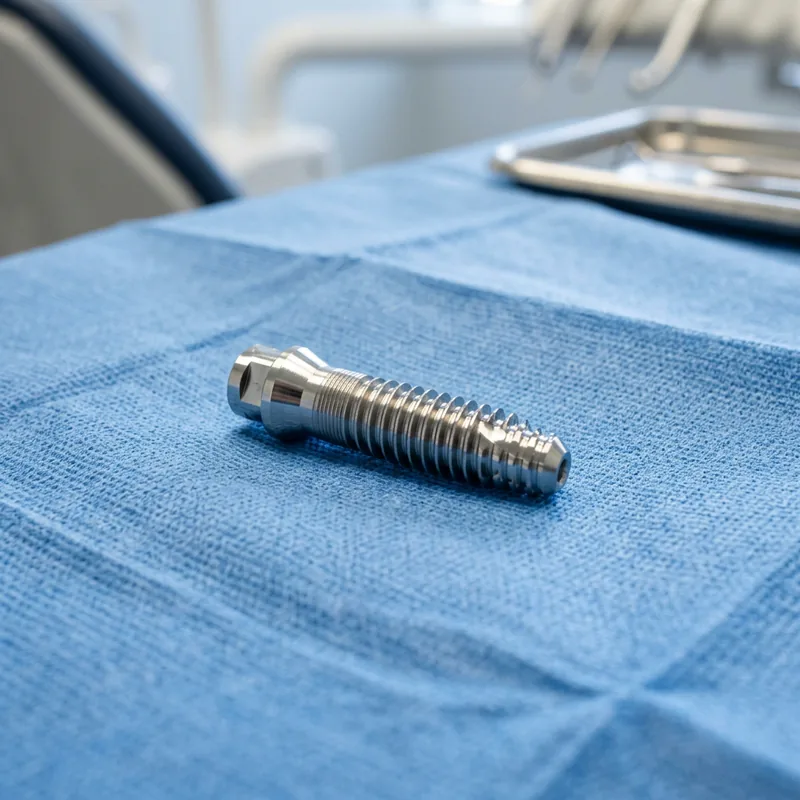
A dental implant is a small, biocompatible titanium post that is surgically placed directly into your jawbone. It acts as an artificial root. Over a few months, the jawbone fuses with this titanium post (a process called osseointegration). Once healed, a custom porcelain crown is attached to the top.
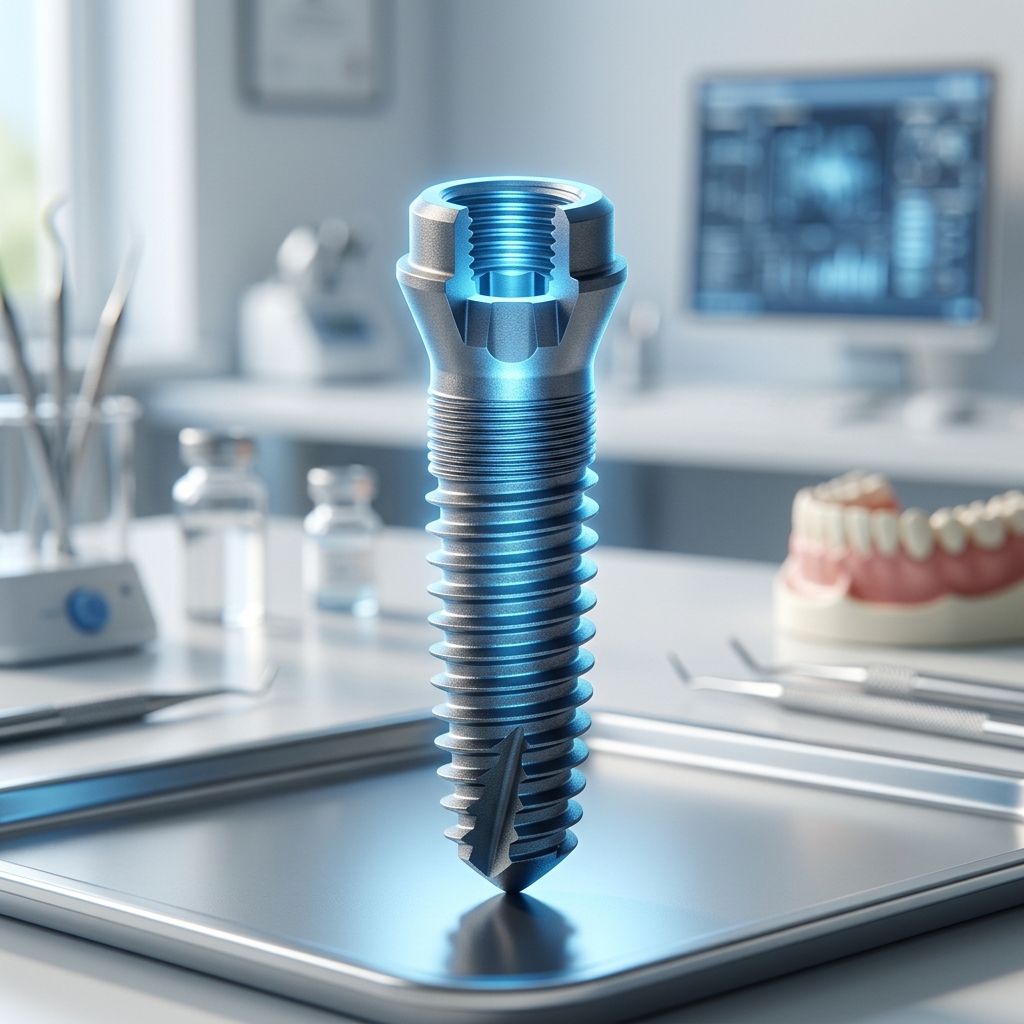
- Pros: It is the closest thing to a natural tooth in modern dentistry. It does not damage adjacent teeth. Most importantly, the titanium root stimulates the jawbone, preventing bone loss and preserving your facial structure. With proper care, an implant can last a lifetime.
- Cons: It requires a minor surgical procedure and a longer timeline (3 to 6 months for the bone to heal). It also has a higher initial cost compared to a bridge.
Implants vs. Bridges: Direct Comparison
1. Longevity and Durability
A high-quality dental bridge typically lasts 10 to 15 years before it needs to be replaced. Why? Because the supporting teeth can decay under the crowns. An implant, however, is immune to decay. The titanium root can last a lifetime, though the porcelain crown on top might need replacement after 15-20 years due to normal wear.
2. Aesthetic Results
Both options can look incredibly natural when crafted by skilled technicians using materials like Zirconia or E-max. However, over time, as bone loss occurs under a dental bridge, a small gap can form between the false tooth and the gum line. Implants preserve the bone, ensuring the gum line remains natural and flush against the crown indefinitely.
3. Maintenance
You brush and floss a dental implant exactly like a natural tooth. A dental bridge requires special flossing tools (like interdental brushes or floss threaders) to clean underneath the suspended false tooth. If you skip this, bacteria will accumulate and destroy the supporting teeth.
Cost Considerations in Karachi
At our clinic in DHA, premium dental implant placements start from PKR 120,000. A 3-unit dental bridge (typically using Zirconia or PFM) will cost less upfront. However, when you calculate the lifetime cost, knowing a bridge will likely need to be replaced at least once or twice, and the supporting teeth may eventually require root canals, dental implants almost always prove to be the more cost-effective long-term investment.
Frequently Asked Questions
Which is better, a dental implant or a bridge?
How long do dental implants last compared to bridges?

Ready to Restore Your Smile?
Book a consultation to find out if you are a candidate for permanent dental implants.
Schedule Your Appointment